

Smart Strategies to Save Money on Groceries: Money-Saving Grocery Tips You’ll Love
- The Fridge and Cupboard
- Mar 17
- 4 min read
Grocery shopping can feel like a never-ending quest to balance quality, quantity, and cost. But what if I told you that saving money on groceries doesn’t have to be a headache? With a few smart strategies, you can fill your fridge and cupboard without emptying your wallet. Let’s dive into some practical, friendly, and downright fun ways to stretch your grocery budget while still enjoying delicious meals.
Unlocking the Power of Money-Saving Grocery Tips
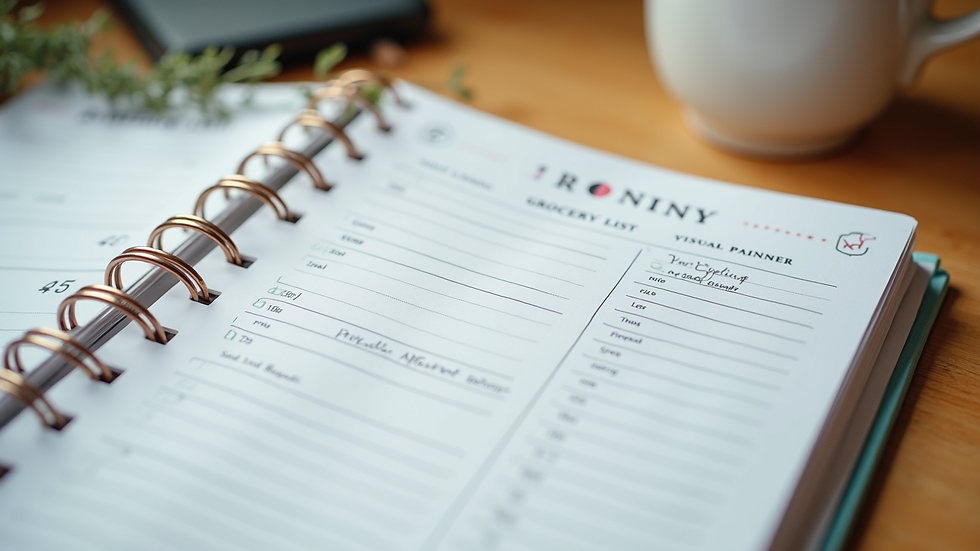
Saving money on groceries is like planting a garden - it takes a little planning, patience, and the right tools. One of the best ways to start is by knowing what you need before you shop. I always recommend making a list based on your meal plan for the week. This simple step helps you avoid impulse buys and reduces food waste.
Another golden tip is to shop seasonally and locally. Seasonal produce is fresher, tastier, and often cheaper. Plus, buying from local markets supports your community and cuts down on transportation costs, which can add up in the price tag.
Don’t forget to compare unit prices. Sometimes a bigger package isn’t the best deal. Look closely at the price per ounce or pound to make sure you’re getting the most bang for your buck.
Stock Up Smartly
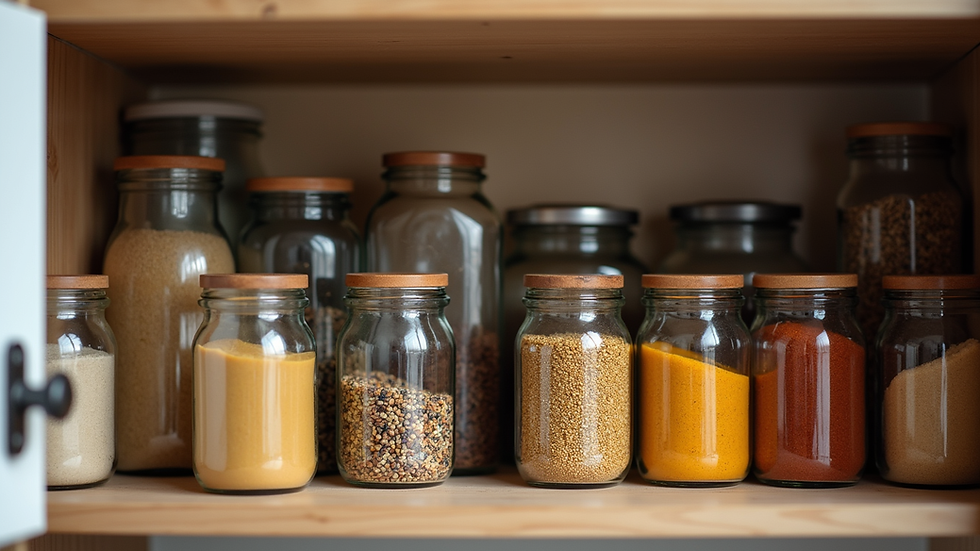
When you find a great deal on staples like rice, pasta, or canned goods, consider buying in bulk. But be careful - only stock up on items you know you’ll use before they expire. This way, you avoid the trap of spending more upfront but wasting food later.

How Do I Save Money on Groceries?
This question pops up all the time, and the answer is a mix of strategy and savvy shopping habits. Here’s what I do:
Use coupons and loyalty programs - Many stores offer digital coupons and rewards that can add up to big savings.
Shop sales and markdowns - Keep an eye out for discounts on items you regularly use. Sometimes, you can find perfectly good products nearing their sell-by date at a fraction of the price.
Buy store brands - Store brands often have the same quality as name brands but cost less.
Cook from scratch - Pre-packaged or ready-made meals are convenient but pricier. Cooking from scratch lets you control ingredients and costs.
Freeze leftovers and extras - Don’t let food go to waste. Freeze what you can’t eat right away to enjoy later.
By combining these habits, you’ll notice your grocery bills shrinking without sacrificing the joy of good food.
Meal Planning: Your Secret Weapon
Meal planning is like having a treasure map for your kitchen. It guides you through the week, helping you use what you have and avoid last-minute takeout splurges. Start by checking your fridge and pantry to see what ingredients need to be used up. Then, build your meals around those items.
Try to plan meals that share ingredients. For example, if you buy a bunch of spinach, use it in a salad, a pasta dish, and a smoothie. This reduces waste and keeps your shopping list focused.
Don’t forget to include some easy, budget-friendly meals like soups, stews, and casseroles. These dishes often stretch ingredients further and can be made in large batches to save time.
Smart Shopping Tips That Save Big
When you hit the grocery store, keep these tips in your back pocket:
Shop the perimeter first - Fresh produce, dairy, meat, and bakery items are usually around the edges of the store. These are often healthier and less processed.
Avoid shopping hungry - It’s a classic tip because it works. Shopping on an empty stomach can lead to impulse buys.
Bring your own bags - Not only is this eco-friendly, but some stores offer small discounts for reusable bags.
Check unit prices - As mentioned earlier, this helps you spot the best deals.
Stick to your list - It’s easy to get distracted by flashy packaging or sales on items you don’t need.
Reducing Food Waste: A Double Win for Your Wallet
Food waste is like throwing money in the trash. By planning meals, storing food properly, and getting creative with leftovers, you can save a lot. For example, vegetable scraps can be turned into homemade broth, and stale bread can become croutons or breadcrumbs.
Try to keep your fridge organized so you can see what you have at a glance. This helps prevent buying duplicates and reminds you to use items before they spoil.
By cutting down on waste, you’re not only saving money but also doing your part for the planet. It’s a win-win!
I hope these money-saving grocery tips inspire you to shop smarter and cook happier. Remember, the journey to saving money on groceries is a marathon, not a sprint. With a little practice, you’ll find your rhythm and enjoy the rewards of a well-stocked fridge and a fuller wallet.
For more ideas on how to save money on groceries, keep exploring and experimenting. Your kitchen adventure awaits!


Comments